
Our robot, Dante

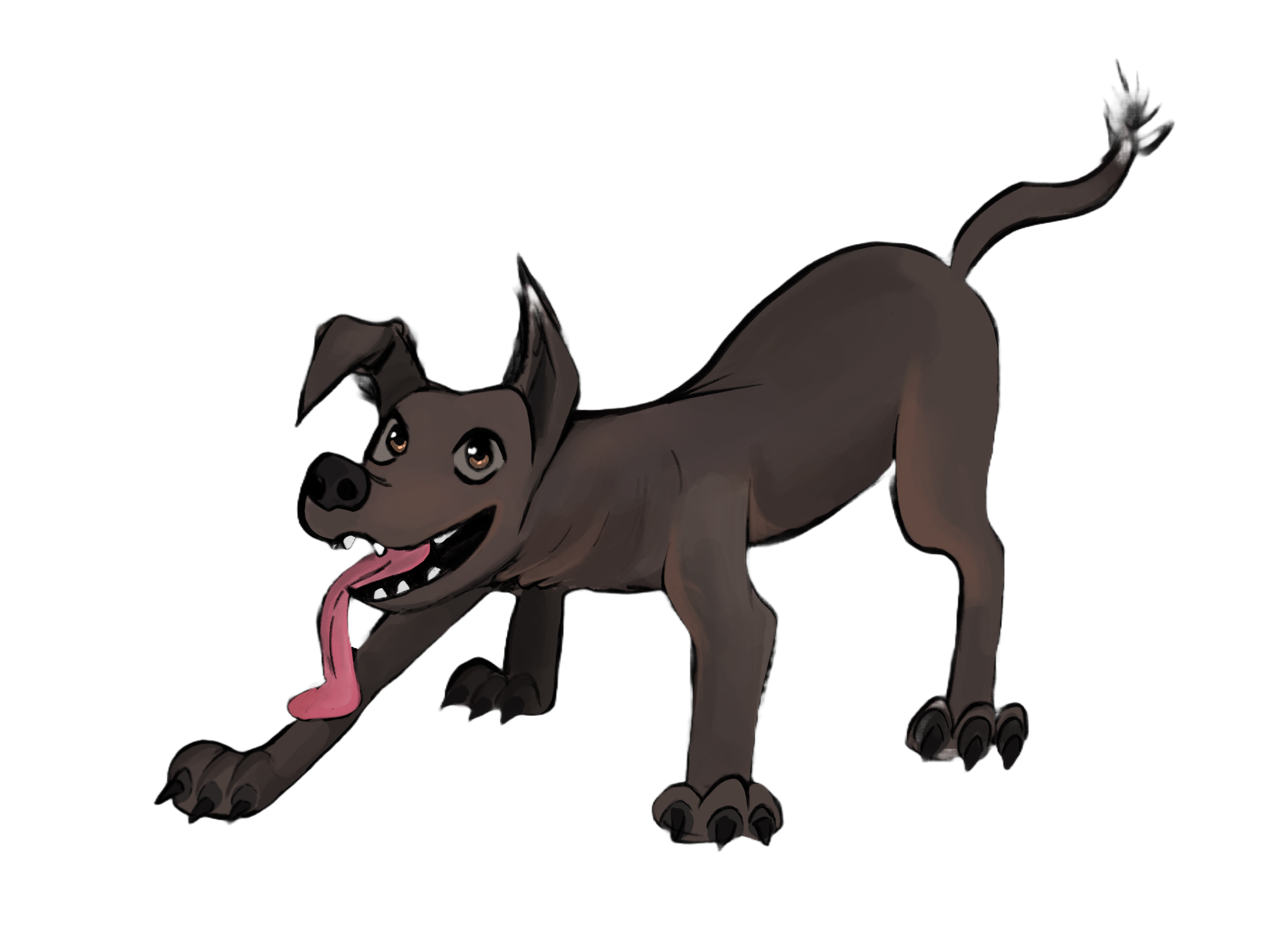
¡Holá ! It's me, Dante, it's great to see you again! Welcome to my family's shoe store. For generations, our family has had the pleasure of providing quality shoes. This year, Coco Marcy joined our family to help build and program the robot we've named Dante. Dante, our robot, will be loyal and assist us in tackling the challenge of the CRC competition.

Dog Dante

Steps to build the robot

Suite à une réunion, l'équipe a combiné toutes leurs idées
ensemble pour trouver un modèle final puis débuter l'exécution.

  • 1. Find the robot's design

  • 2. Divide the task

  • 3. Start by making prototypes

  • 4. Conduct trials to improve

  • 5. If necessary, change the design or the engines

  • 6.Test the modifications on the robot

  • 7. Find weaknesses in order to improve them

1. Find the robot's design

Following a meeting, the team combined all their ideas together to find a final model and then begin execution.
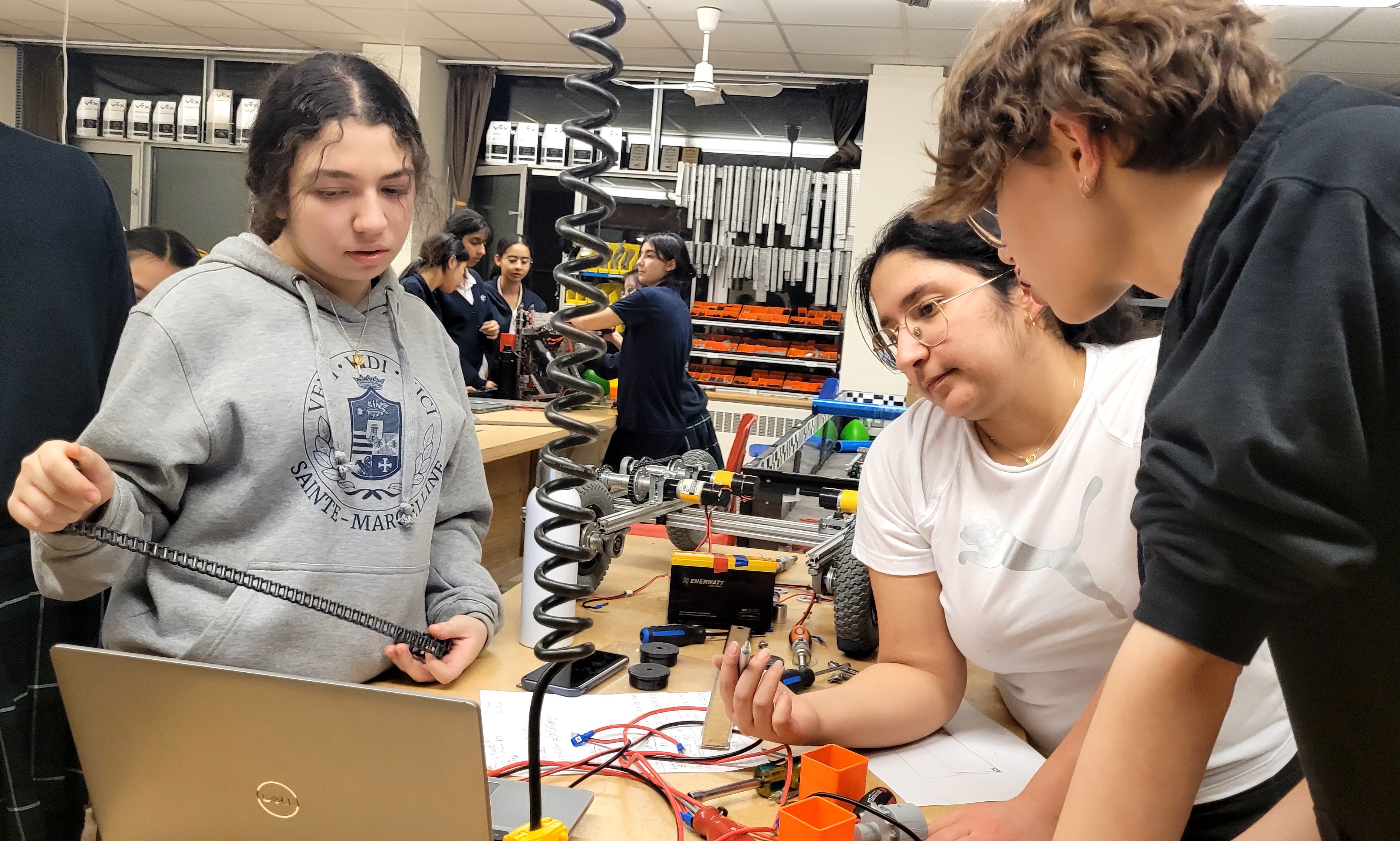
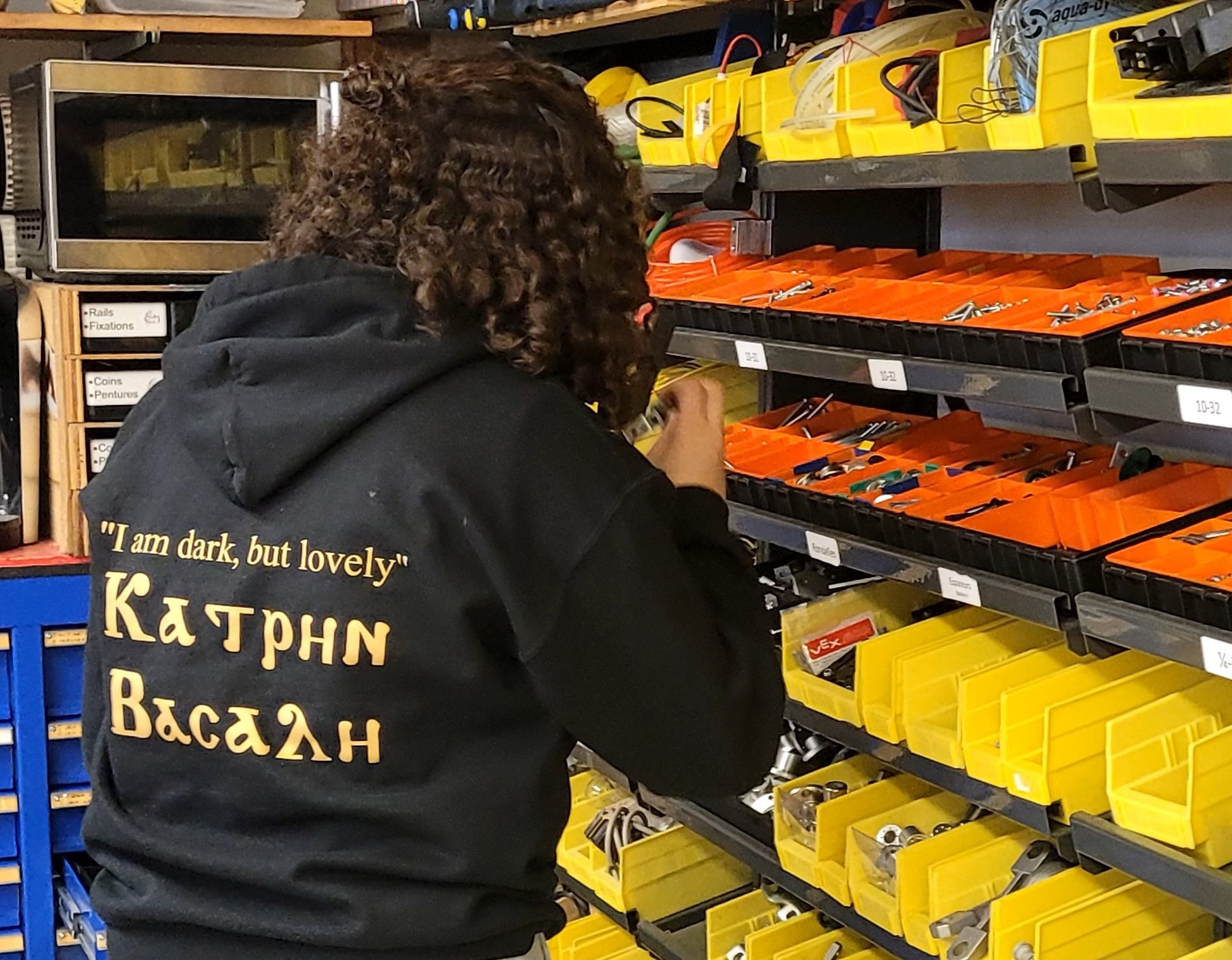
Image 1

2. Divide the task

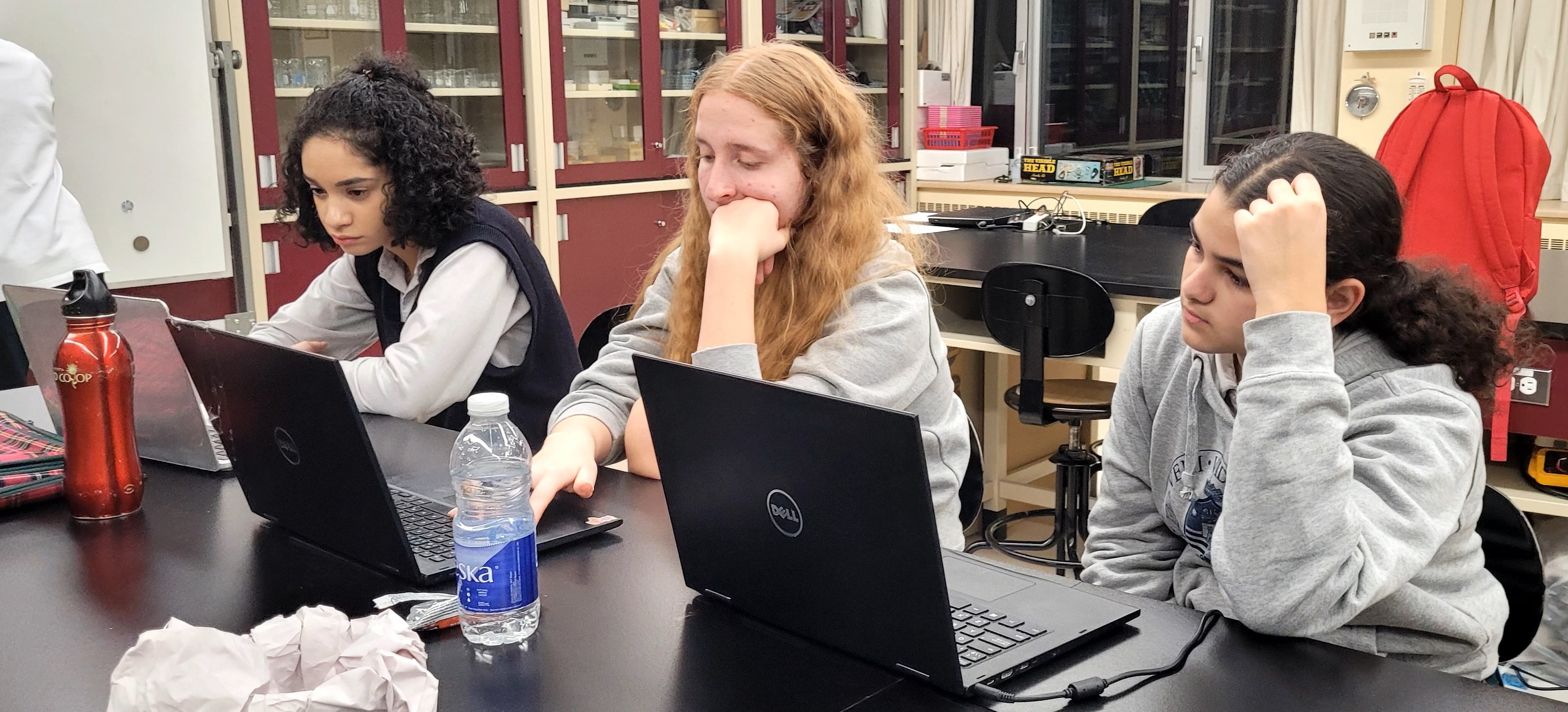
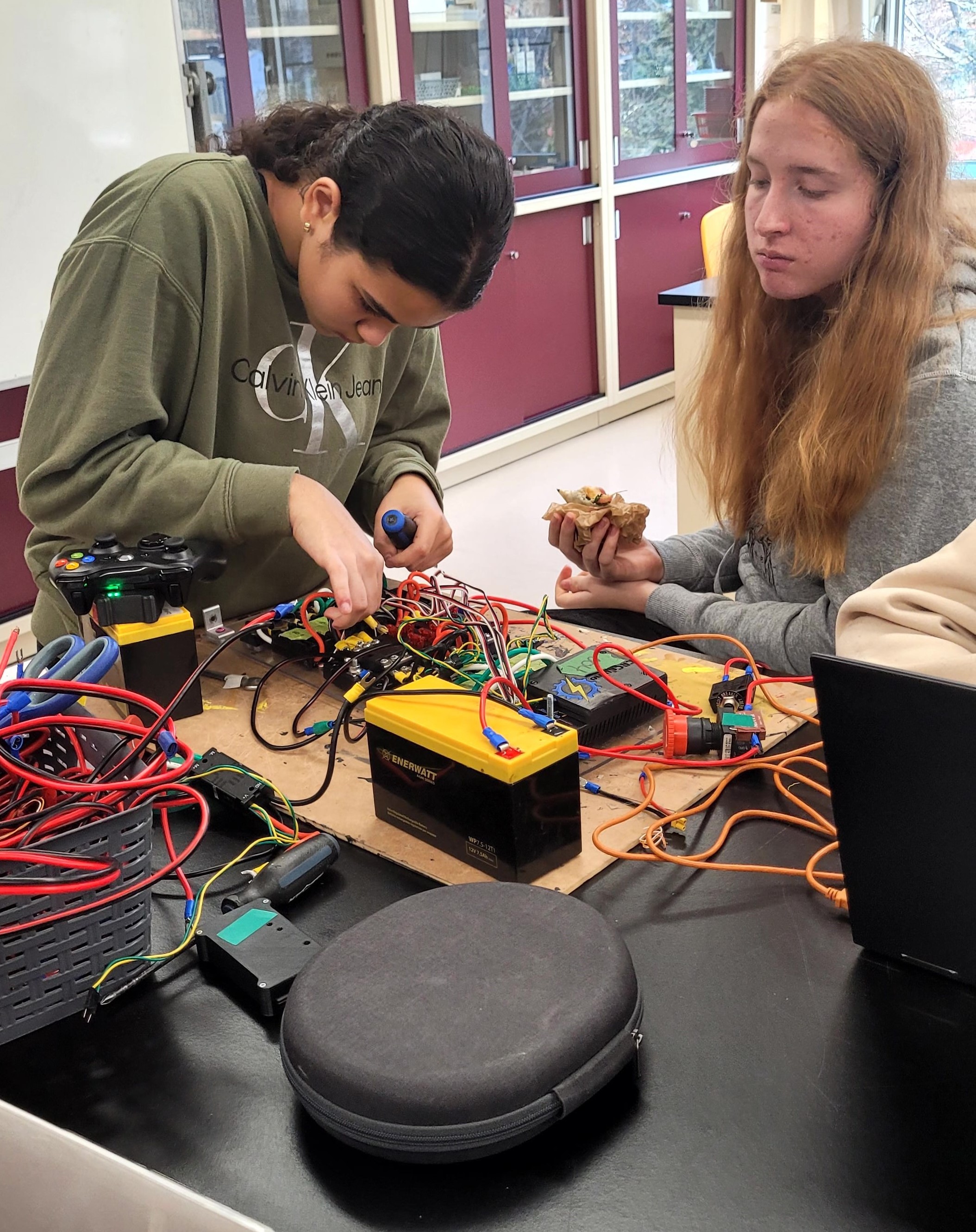
Then, the girls in the robot team divide the tasks among themselves to ensure work efficiency.
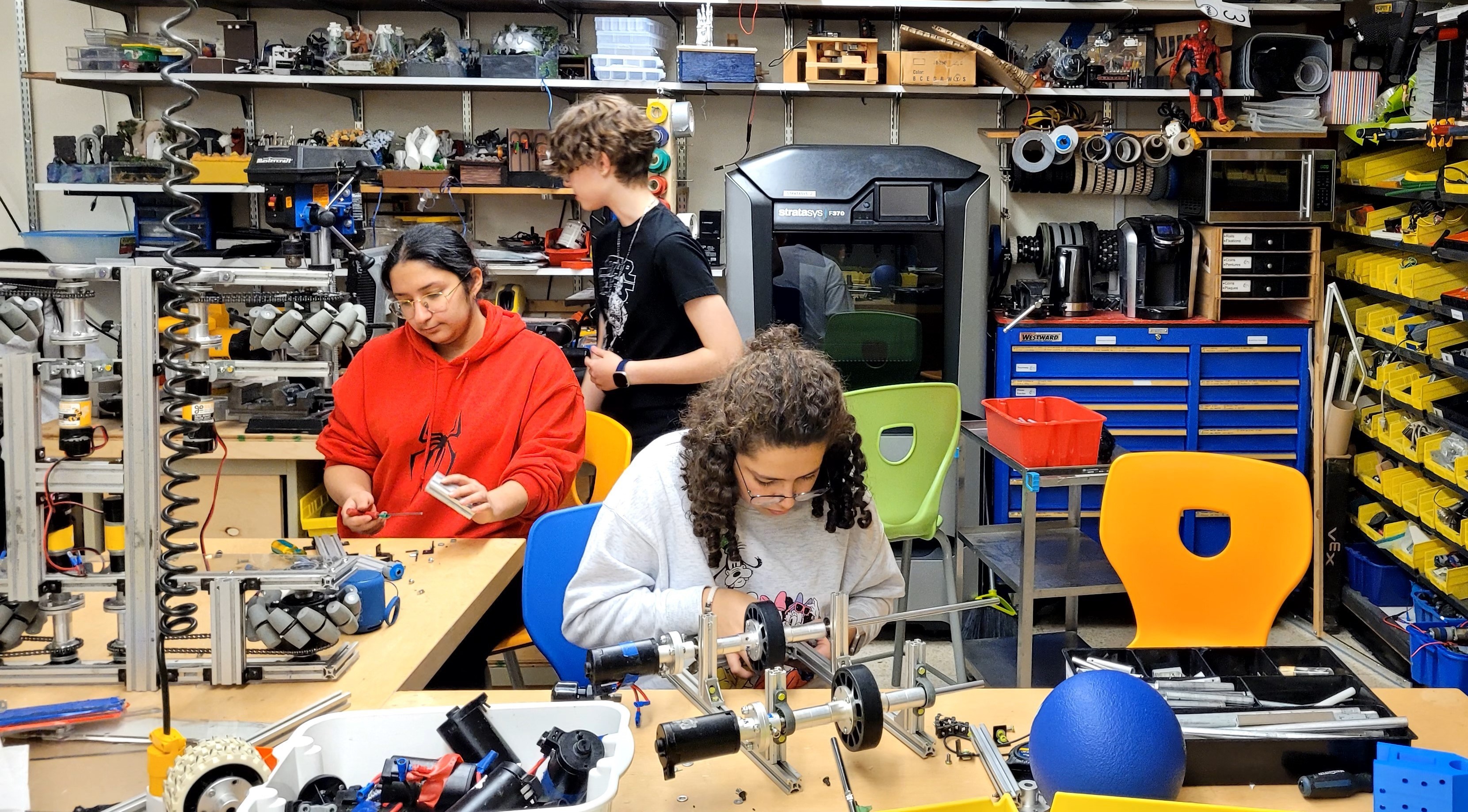
Image 2 Prog team working

3. Start by making prototypes

The girls need to develop prototypes to visualize what their final project will look like.
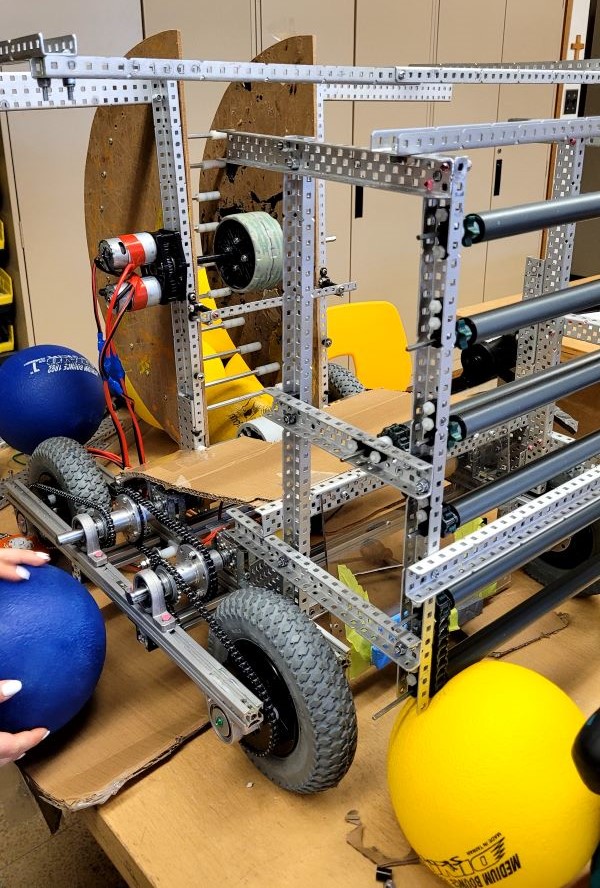
Image 3

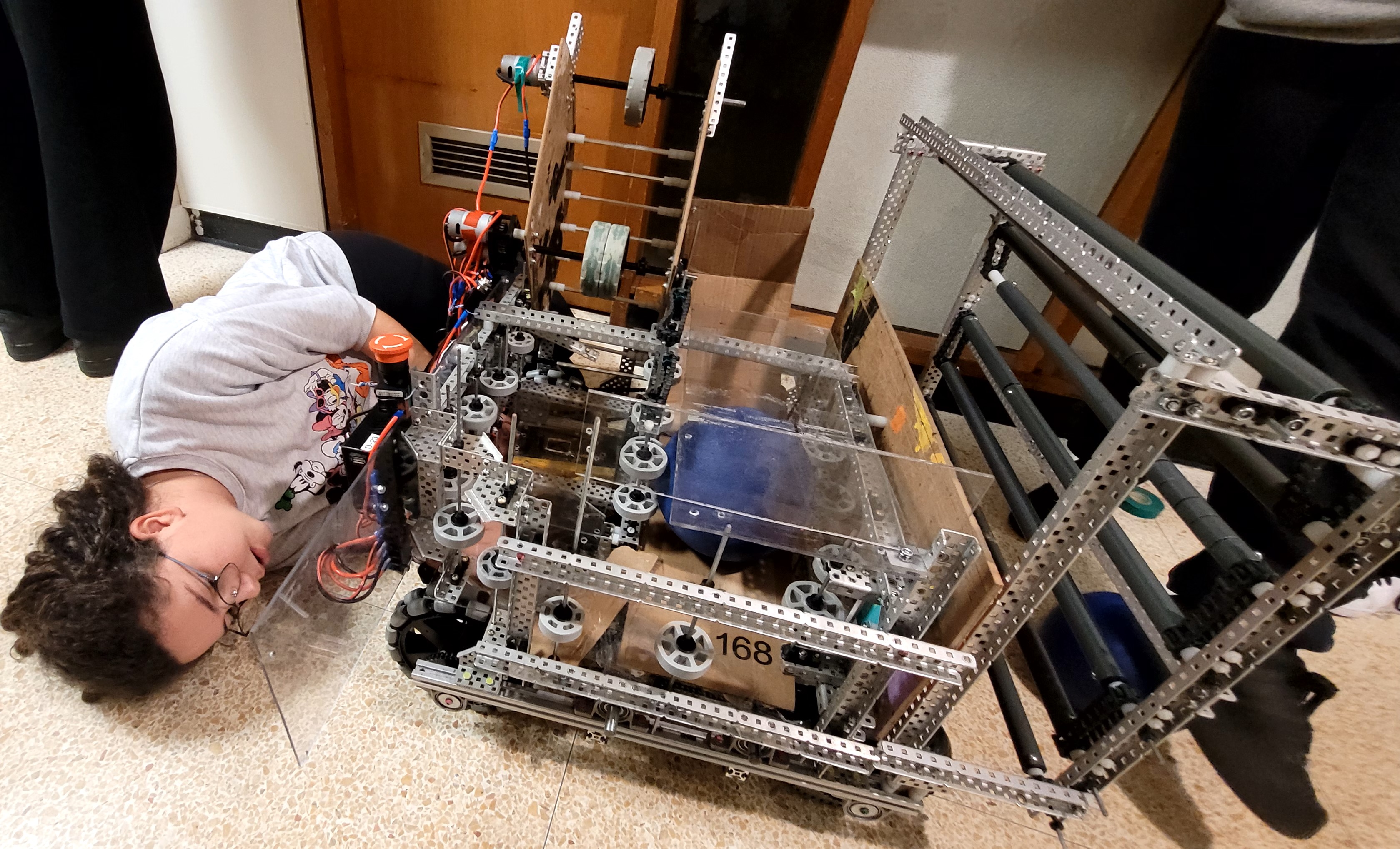
4.Conduct trials to improve

They constantly verify that their modifications work.
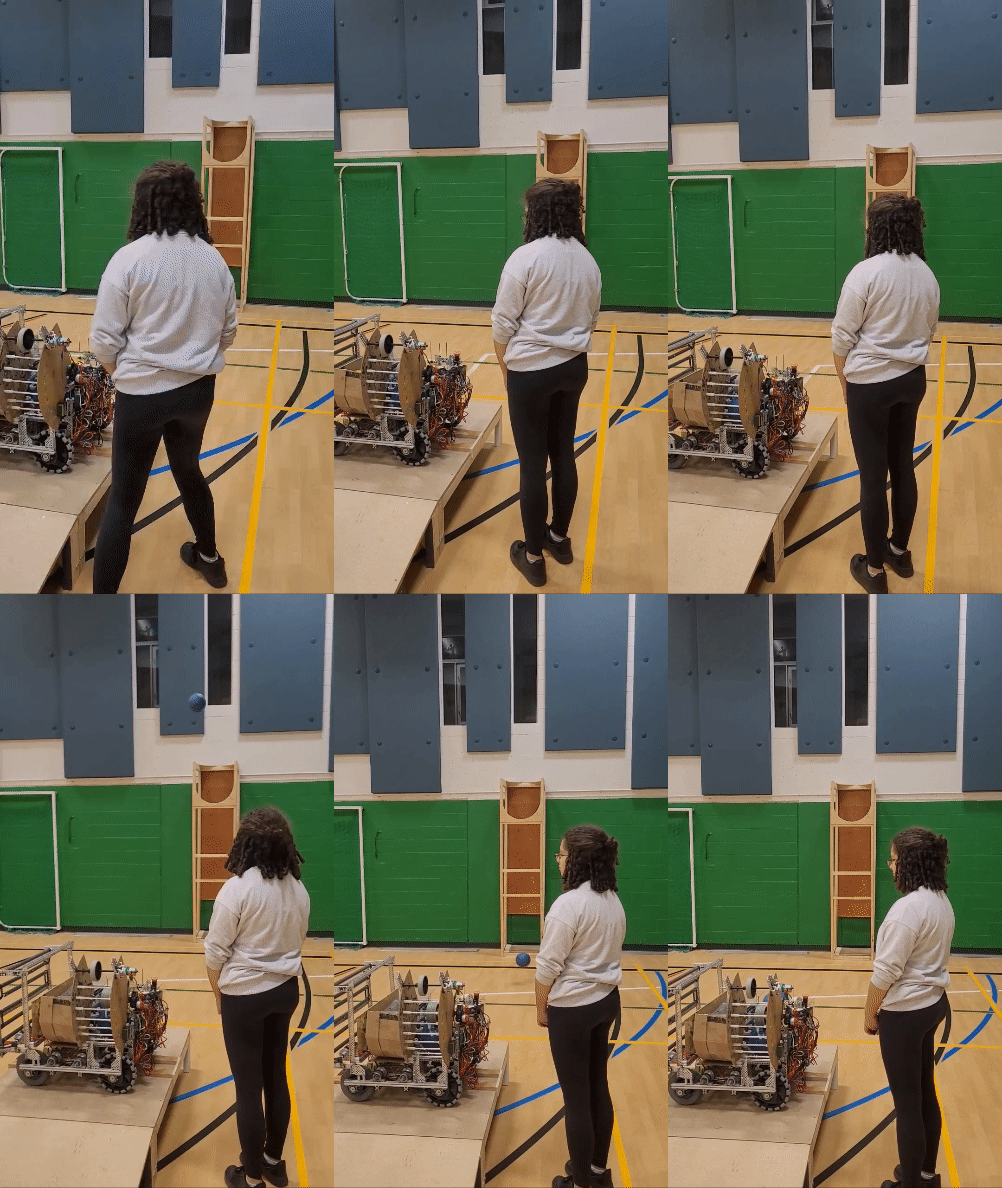
Image 4

5. If necessary, change the design or the engines

The team must always adjust based on the results of their modifications.
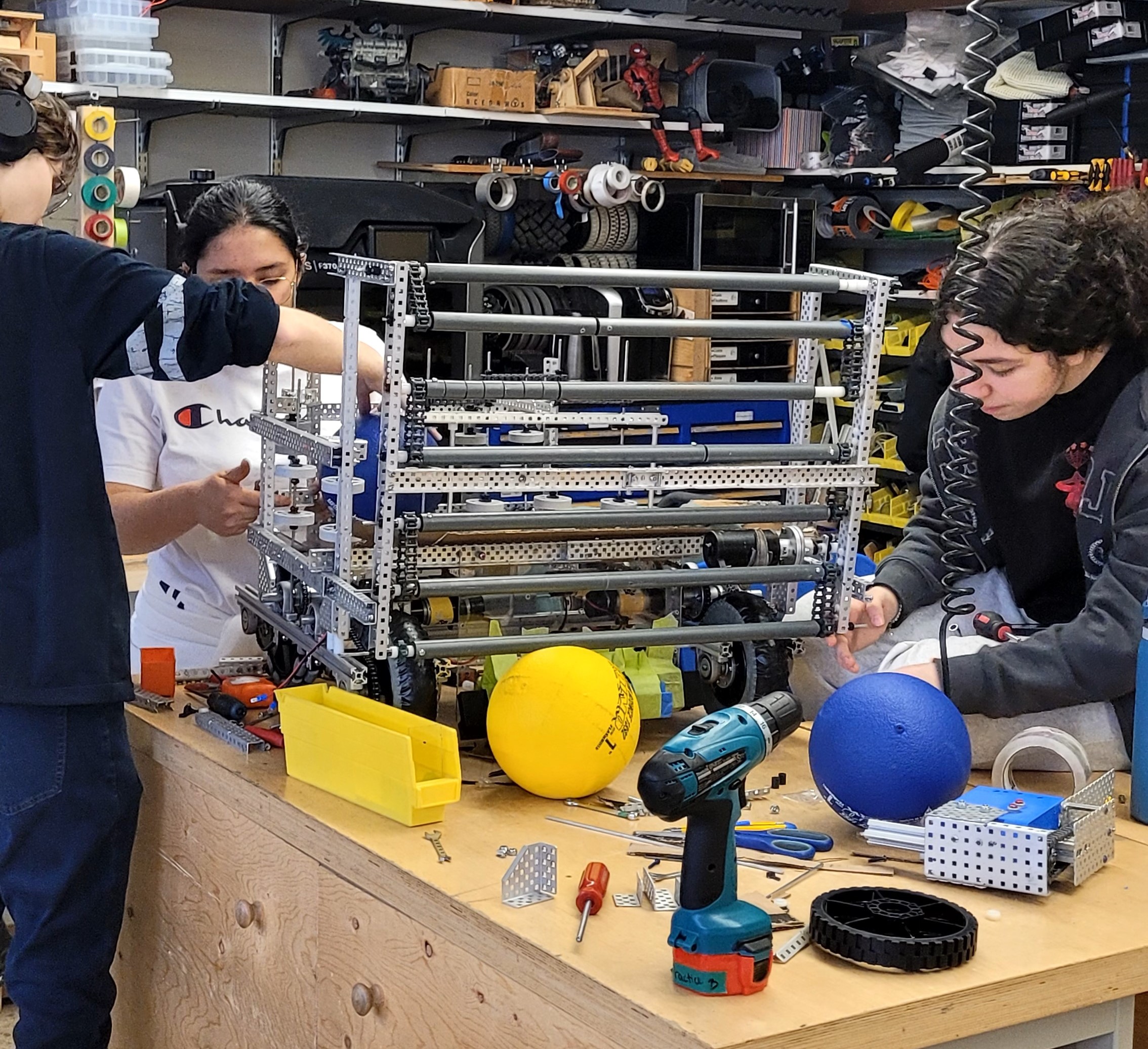
Image 5

6. Test the modifications on the robot

After modifying everything, the team tests the robot again.
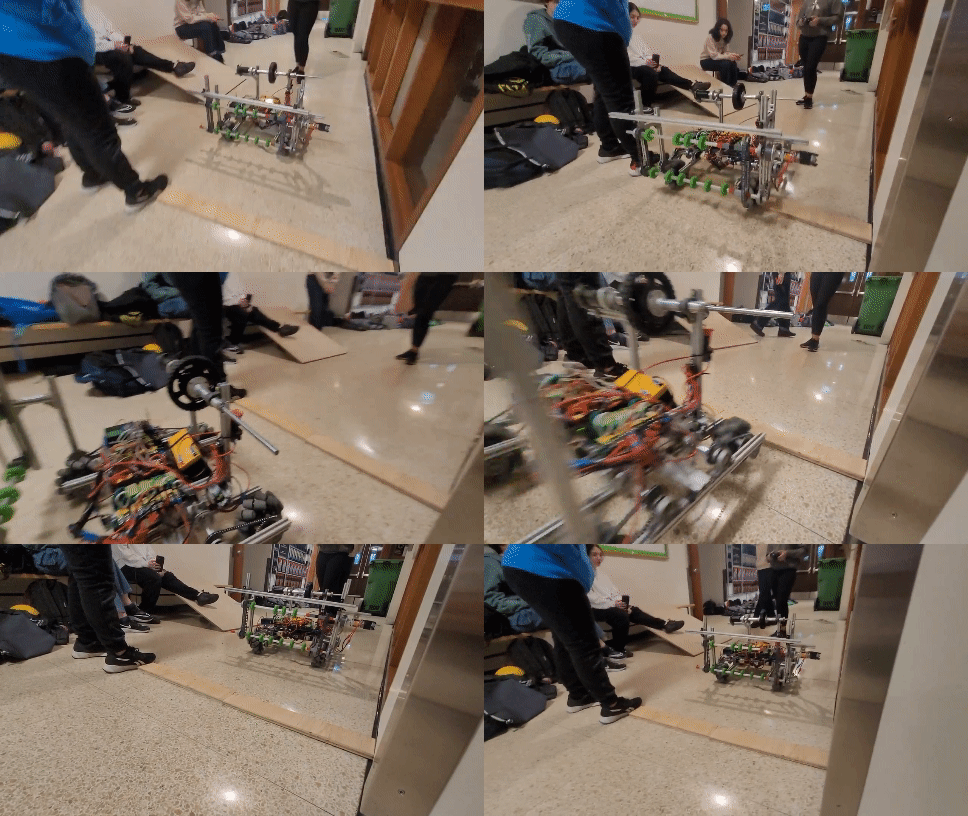
Image 6

7. Find weaknesses in order to improve them

The team adjust to improve the robot.
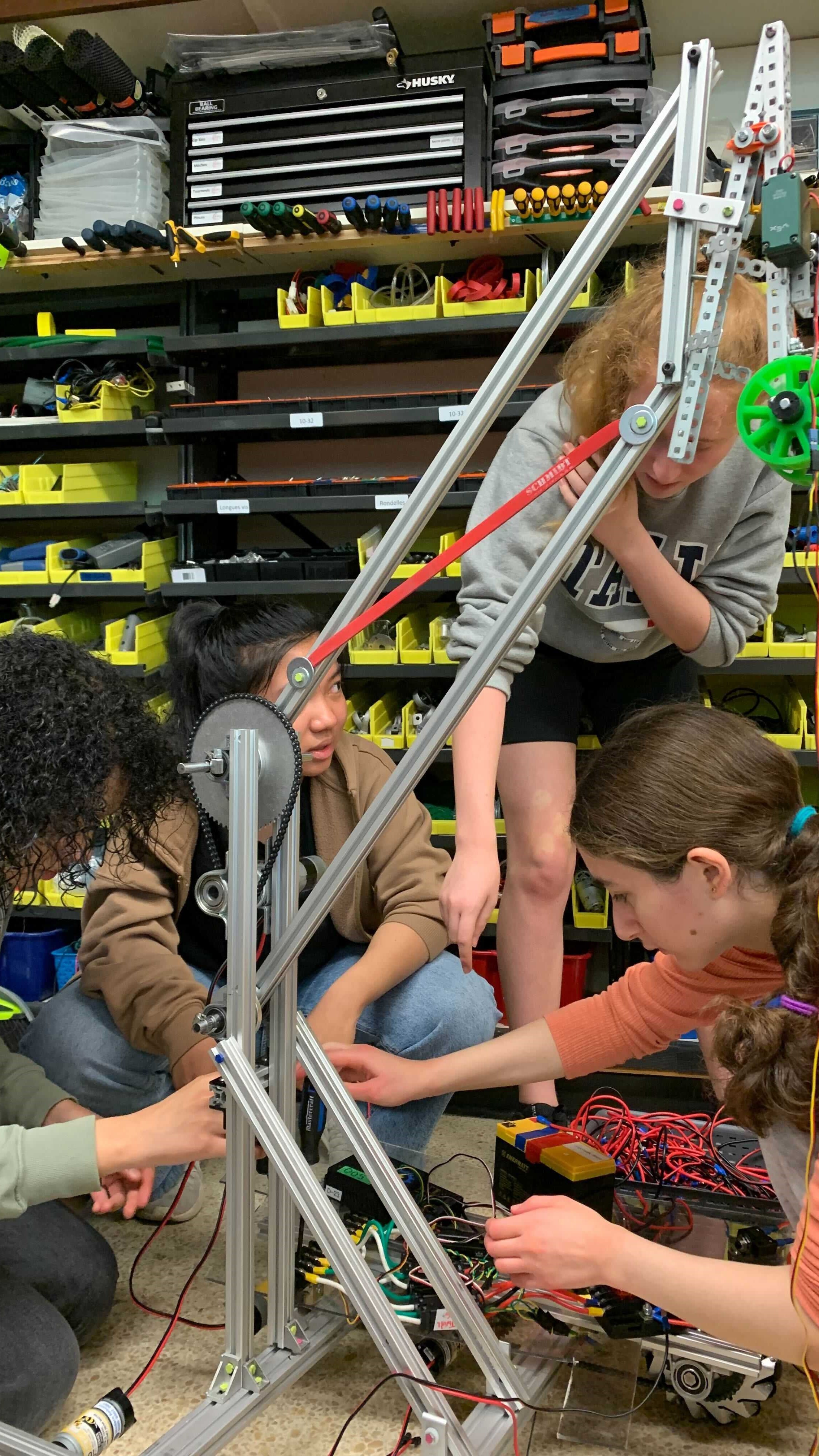
Image 6

During the 'shoe' production at the Coco family's shoemaking shop, the production and programming team faced various challenges.Firstly, the programming girls encountered difficulties regarding time management and the programming languages used, namely Python and C++.

For the construction team, their main challenge was to find enough space for the robot for all the parts. Additionally, the 'shooter' motor kept overheating. Lastly, the design of the multiplier required a lot of creativity to build an effective mechanism for the competition. Despite these challenges, they maintained their courage to continue their mission.

Plans and prototypes


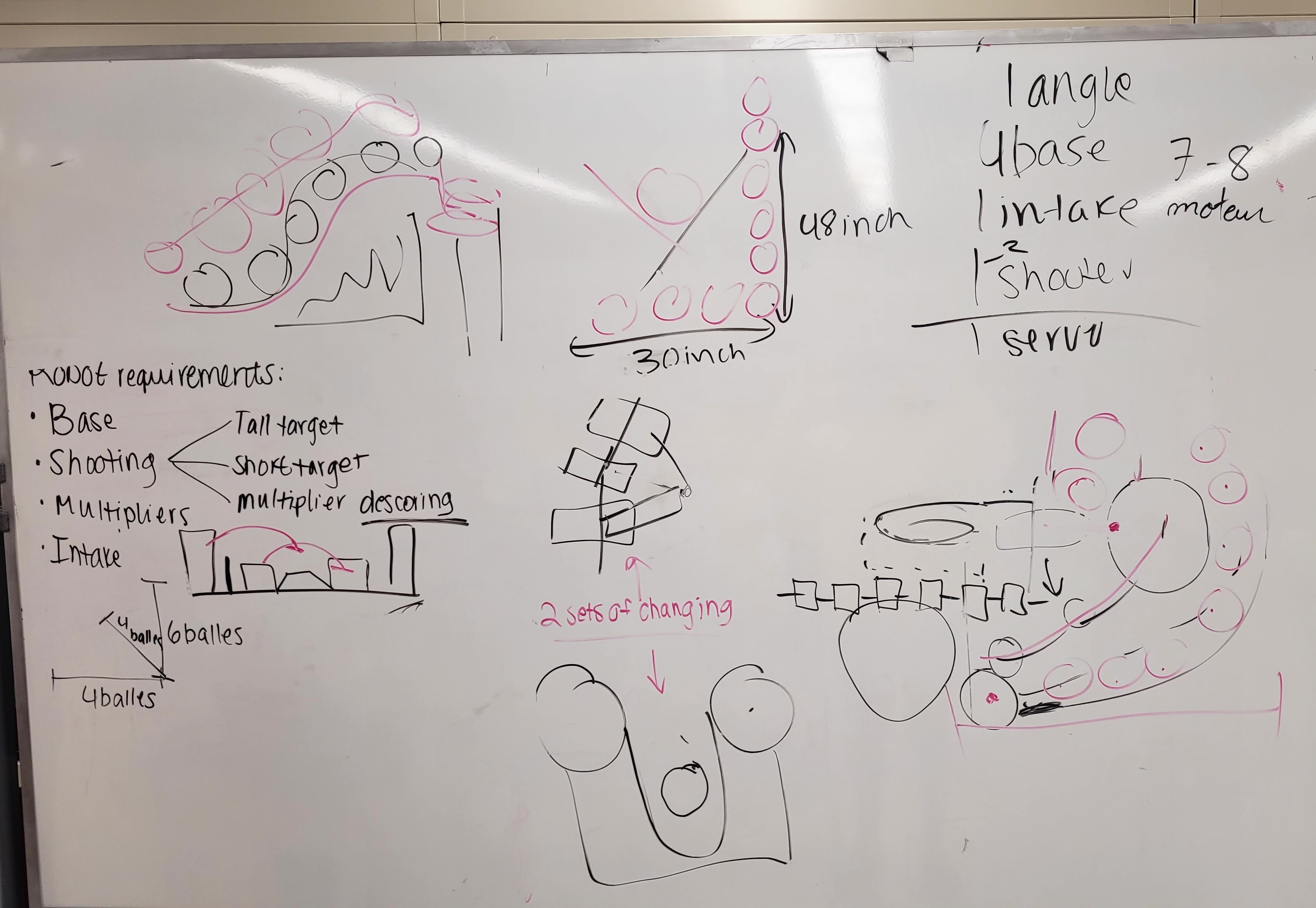
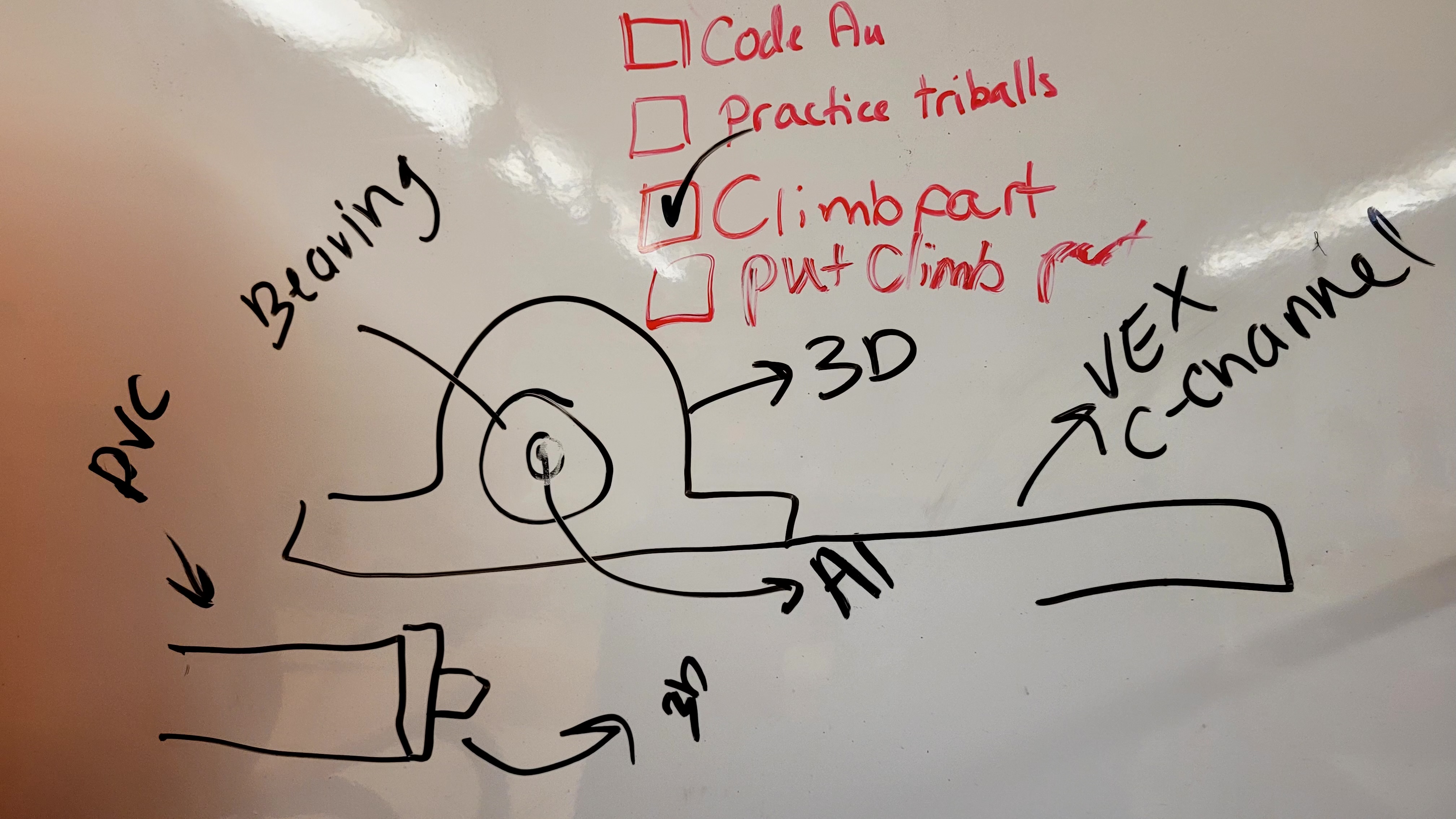
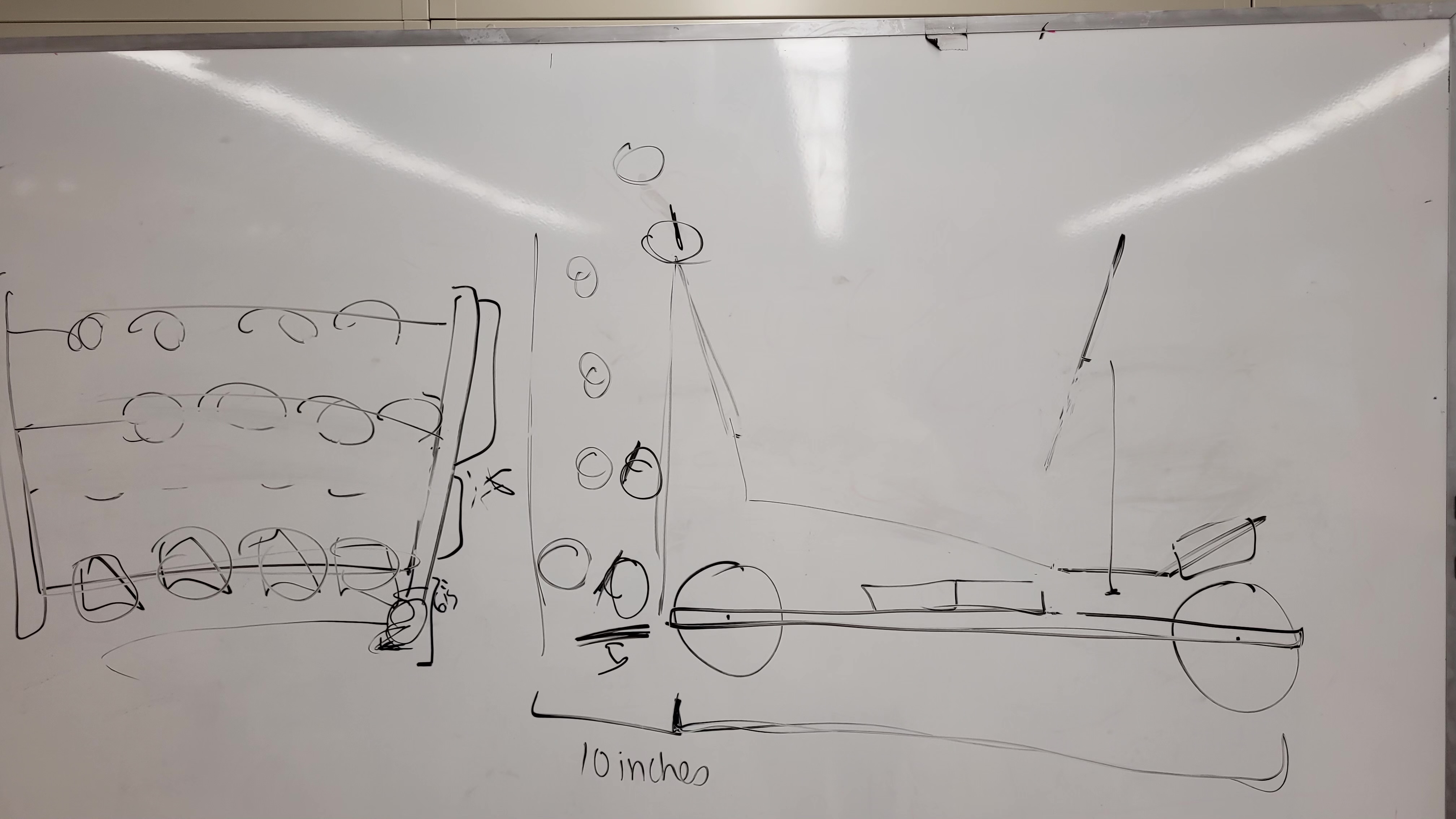
Here are some plans from the girls' beginnings: from paper to reality!

Image sketch 1

First, the girls in the team gathered together to organize their ideas and ensure they took into account the rules imposed by the CRC competition in order to meet all the criteria.

Image sketch 2

Next, the girls discussed their ideas together. They made freehand drawings and sketches of what they were going to build. Little by little, the sketches came to life!

Image sketch 3

The project started to take shape! Just like in Miguel's family house,
the steps to reach a final product are lengthy.

Image sketch 4

Finally, the robot team had to made some calculations to ensure that everything works.

That's when the girls were ready to build and program Dante. They were able to bring the designs to life! The robot, Dante, was a project that demanded a lot, but they managed to overcome all the challenges.

The robot's composants

Base image capture
BASE
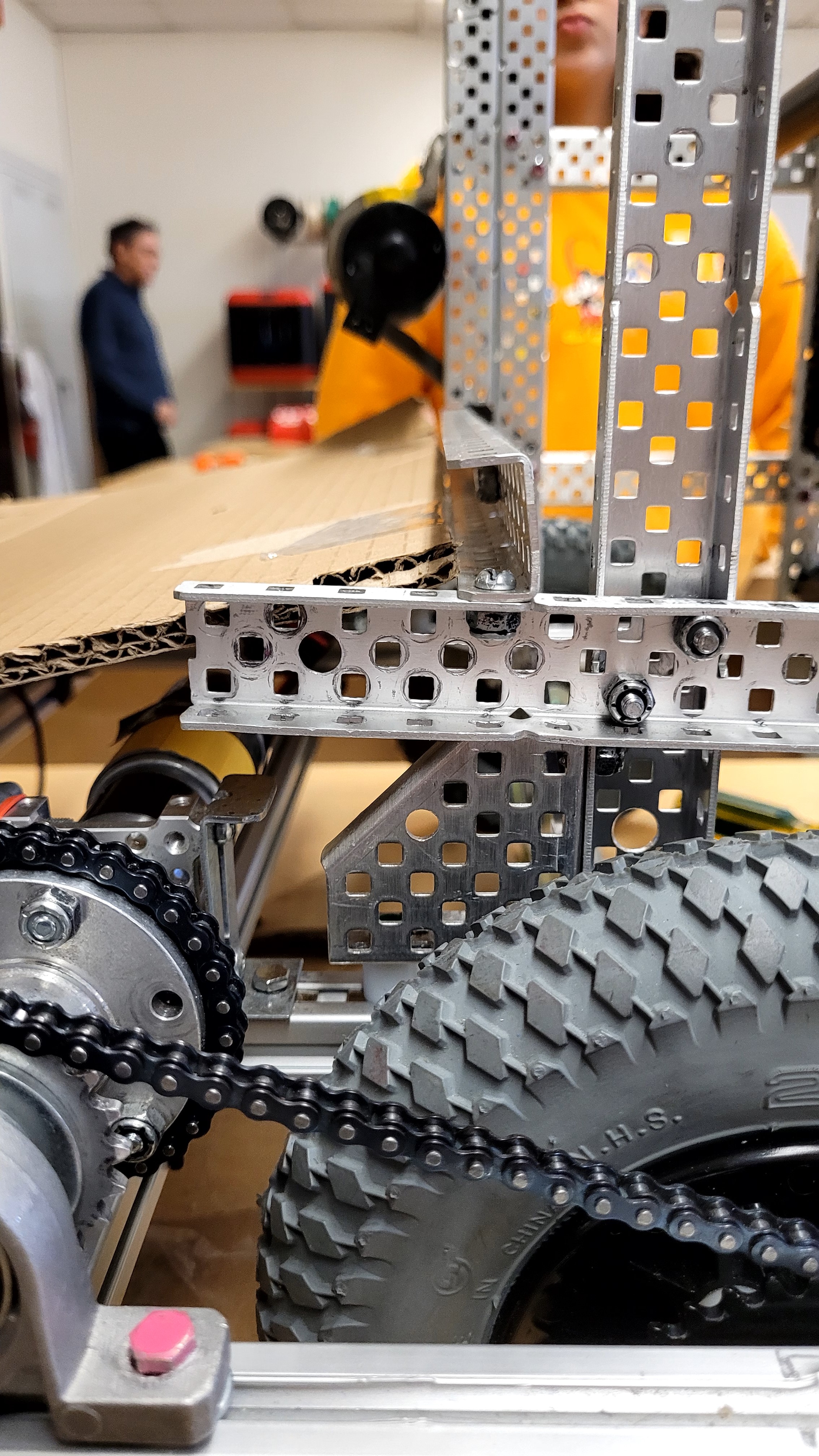
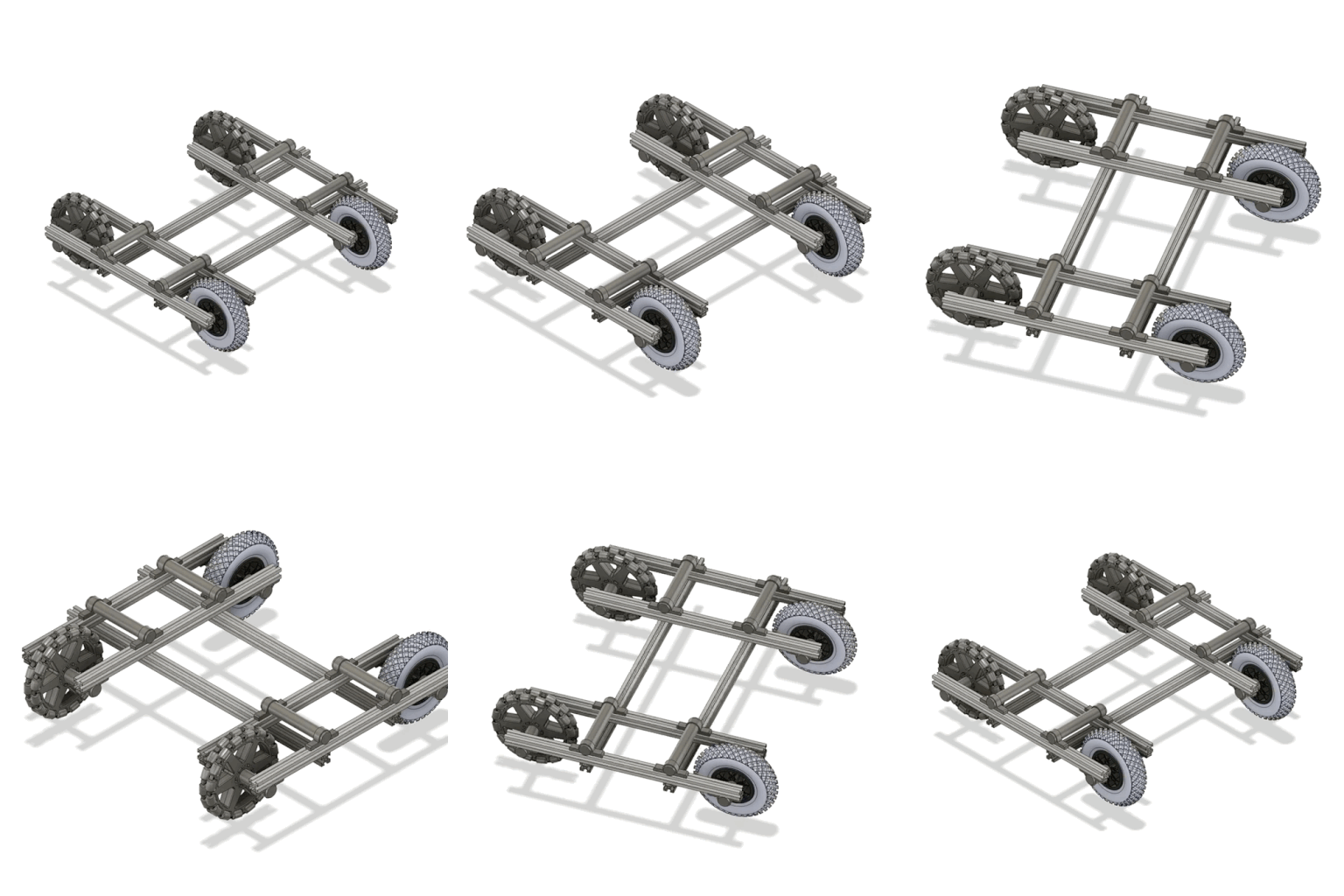
The base has 2 pneumatic wheels at the front for moving the robot forwards and backwards, and at the back, there are 2 omnidirectional wheels that allow a 360 degree movement.
Container image capture
CONTAINER
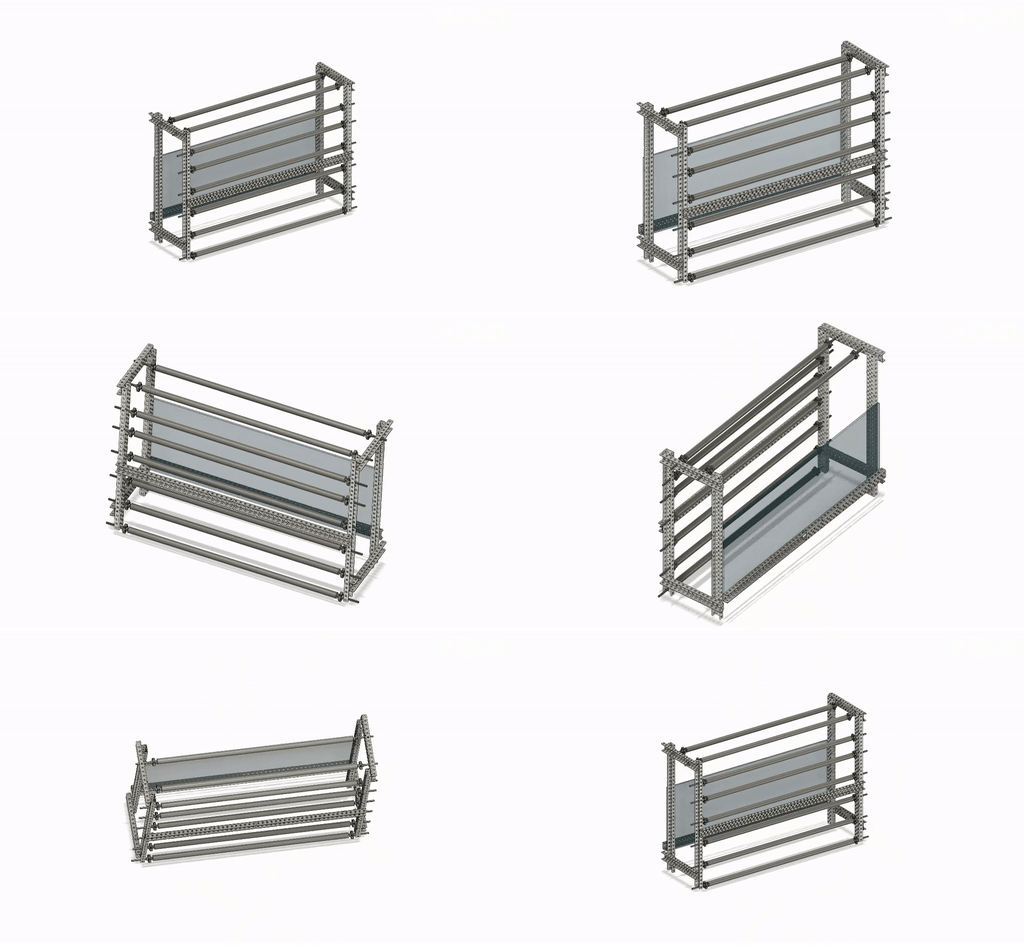
The container contains the balls


Intake image capture
INTAKE
The intake collects the balls


Multiplicateur
MULTIPLIER
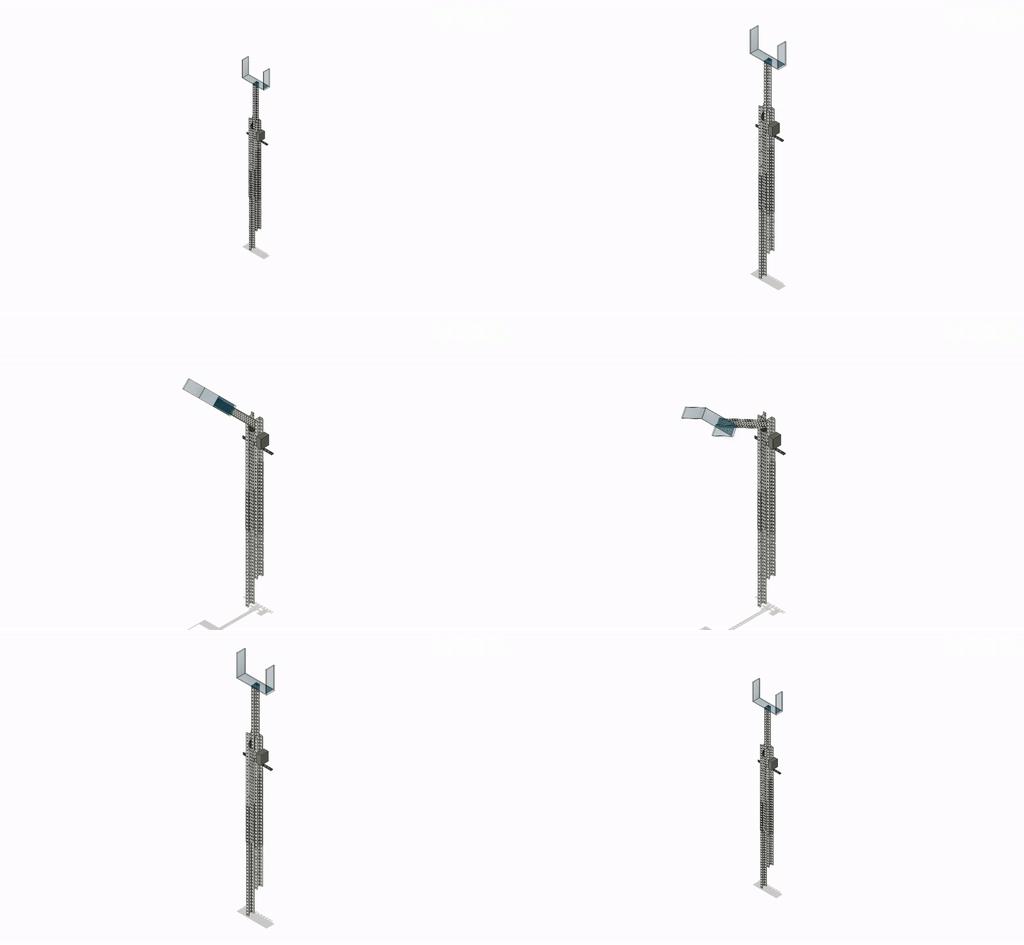
The multiplier takes the balls


Tireur
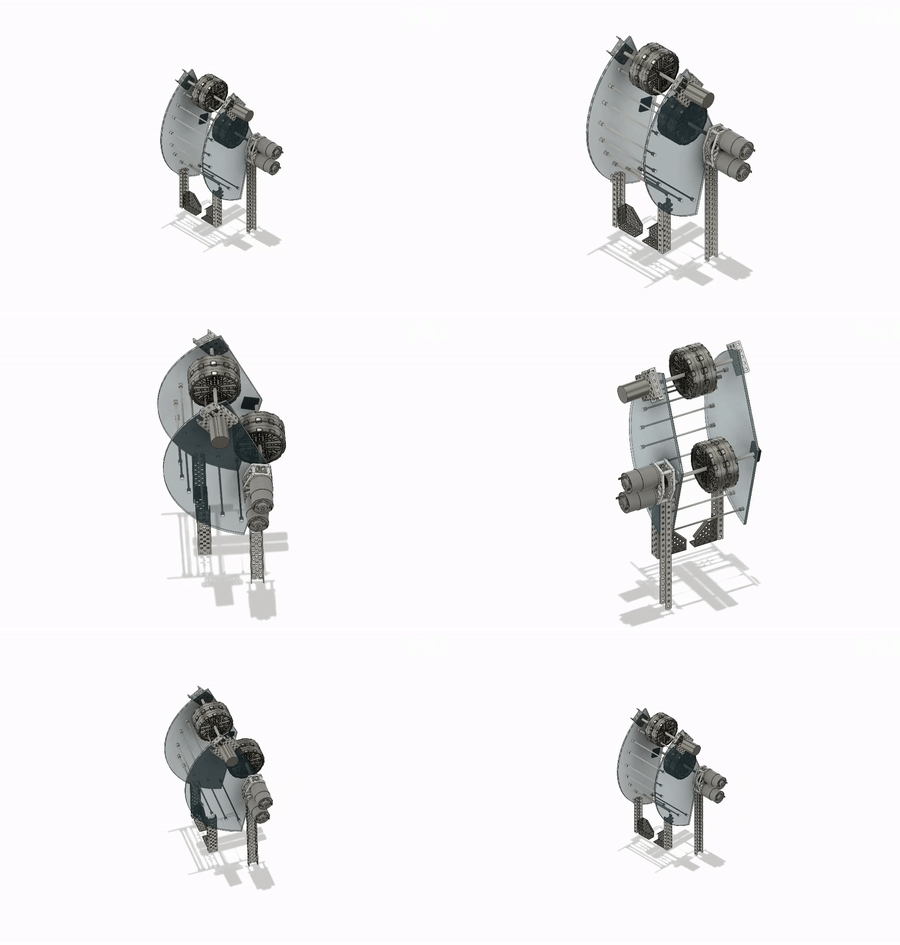
SHOOTER
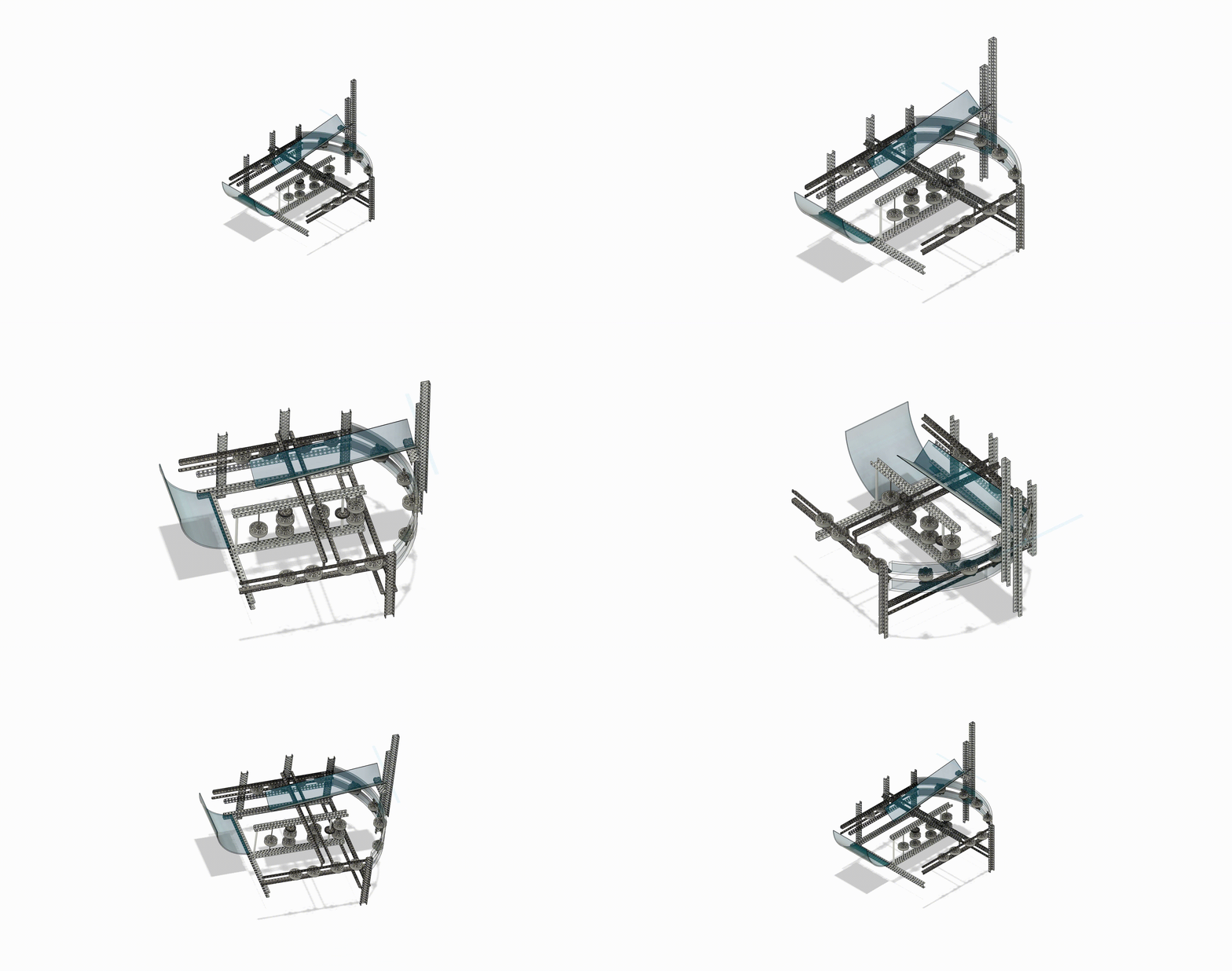
The shooter aims to propel the balls towards a fixed target.


Robot and shooter

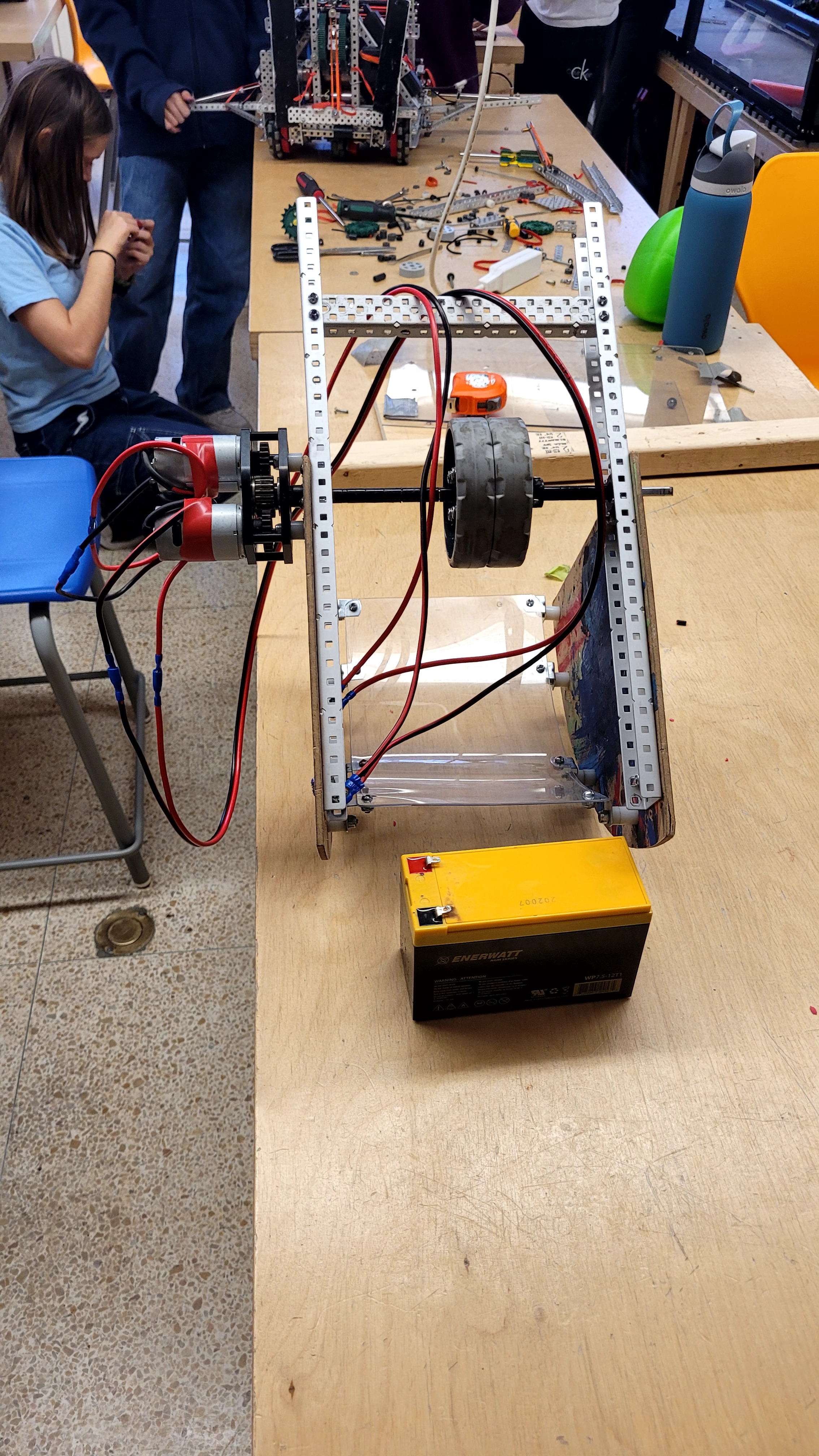
To make the robots move, motors are necessary. Dante is powered by four motors for the wheels, with each motor responsible for one wheel of the robot. Then, there are three motors for the shooter. You might be wondering, Miguel, why three motors for the shooter? It's because they ensure optimal power to propel the balls towards the target. Additionally, three motor controllers are present, one for the index, one for the container, and one for the multiplier. There's even a motor dedicated to the intake. This setup provides Dante with enough energy to tackle the competition. I know it's complex, but hang in there. To simplify, Dante is composed of eight motors and three motor controllers.

Motor and circuit

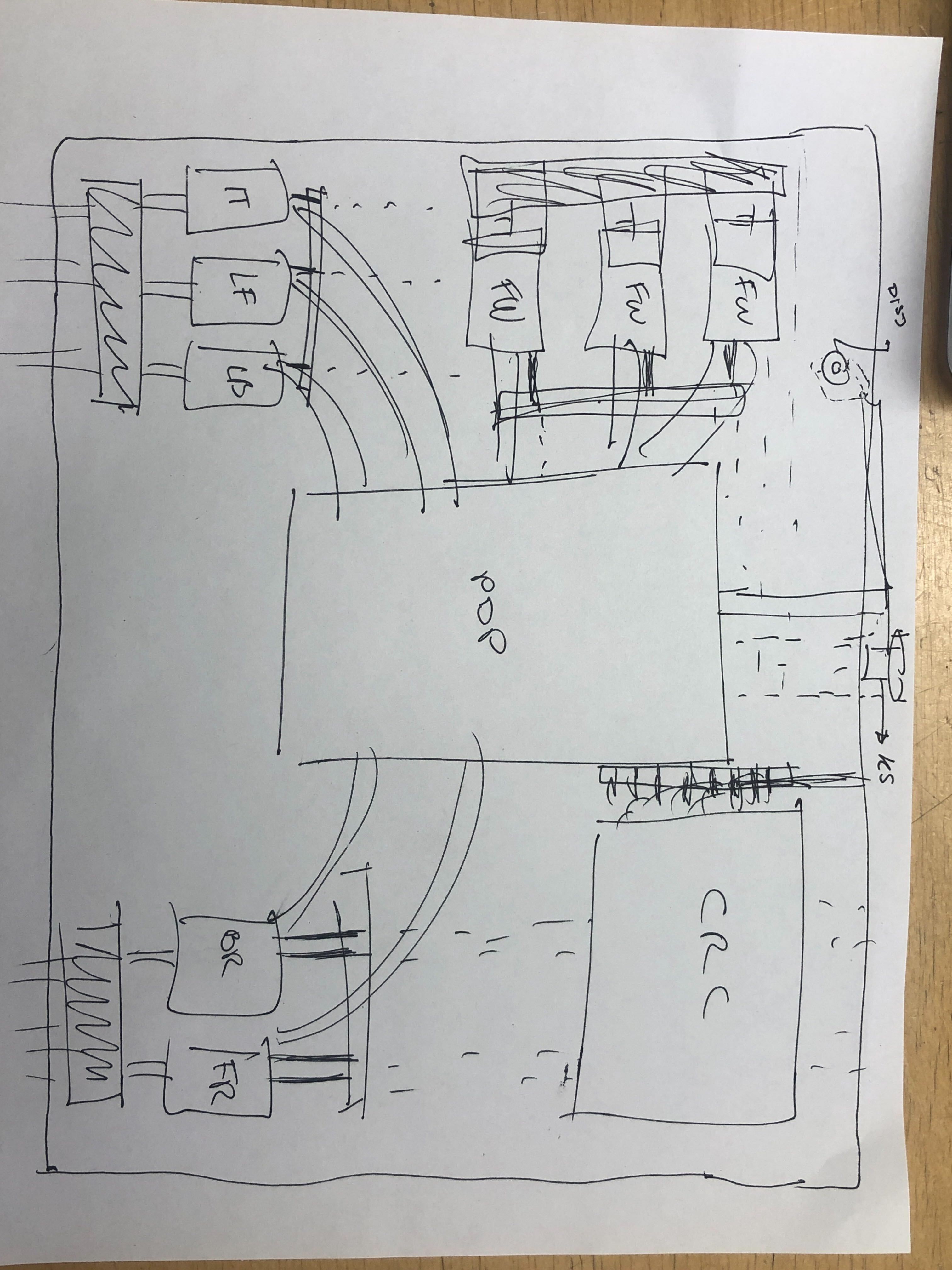
To operate these motors and batteries, an electrical circuit is necessary. We use the CRCduino to connect the wires. There's also a "kill switch" to open the circuit, a circuit breaker to protect against excessive overload, fuses for each motor, and controllers for the CRCduino. ue moteur et des contrôleurs pour le CRCduino.

Our final robot